This past week has been one of those soul shaking moments when the world’s ugliness has been hard to ignore. The headlines alone made me want to climb under a quilt and stay there. And yet—even amid all that darkness, there have been striking displays of faith and kindness: people clinging to God, reaching out to neighbors, choosing love in the face of hate.
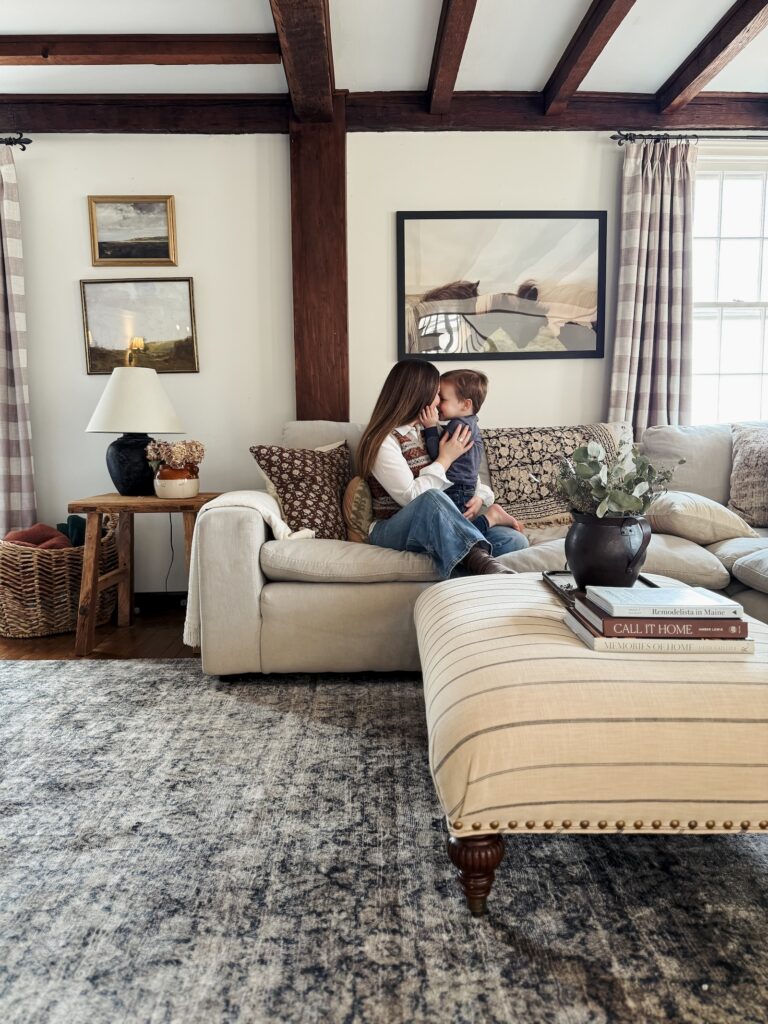
Growing up in church, we often sang the hymn “Home Can Be a Heaven on Earth.” As a girl, I remember singing the words and wondering if such a home could be real, and joyfully, I’ve found it is. Not perfect, of course (one glance at the handful of half finished projects around our house will put an end to any illusions of celestial perfection), but still—a place of peace, laughter, and learning. And the longer I parent, the more I see how vital it is to build homes that are sanctuaries, where children grow into strong, decent, well-regulated human beings who can make society better, no matter what storms rage outside. I believe that is done by building an intentional family culture based on strong values.
Years ago, I read Clayton Christensen’s book How Will You Measure Your Life, and it lodged deep in my heart. Christensen taught that life’s meaning isn’t found in achievements or accolades but in relationships, choices, and integrity. Many of his insights about business strategy apply beautifully to families—but some of what I’ve learned has come from the school of experience too. Here are a few practices that, over time, have helped us build a strong family culture in our home:
1. Make family dinner sacred.
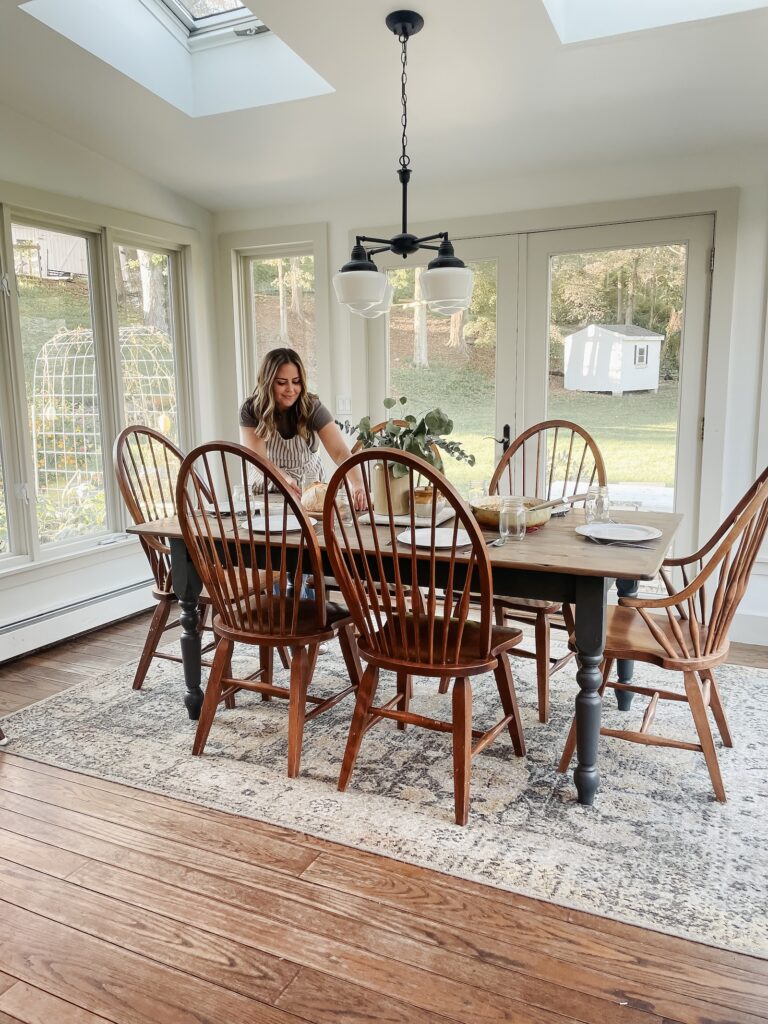

Christensen reminded his students that strategy is lived out in the small daily decisions, not in grand declarations. In family life, protecting dinnertime is one of those small-but-mighty decisions. It doesn’t have to be elaborate (Costco lasagna is welcome at my table), but it does need to be regular. And this will require making choices to forego certain activities/sport in favor of regular family dinners. We chose to prioritize family dinner when our kids were very young, and now that I have (almost) 3 grown children, I have no regrets. Family dinner is sacred time, it’s transformative. Around the dinner table, children learn to tell stories, listen to each other, and laugh at inside jokes. They learn they belong.
(Get my meal planning guide for easy family dinners.)
2. Build your home around family, not just aesthetics.
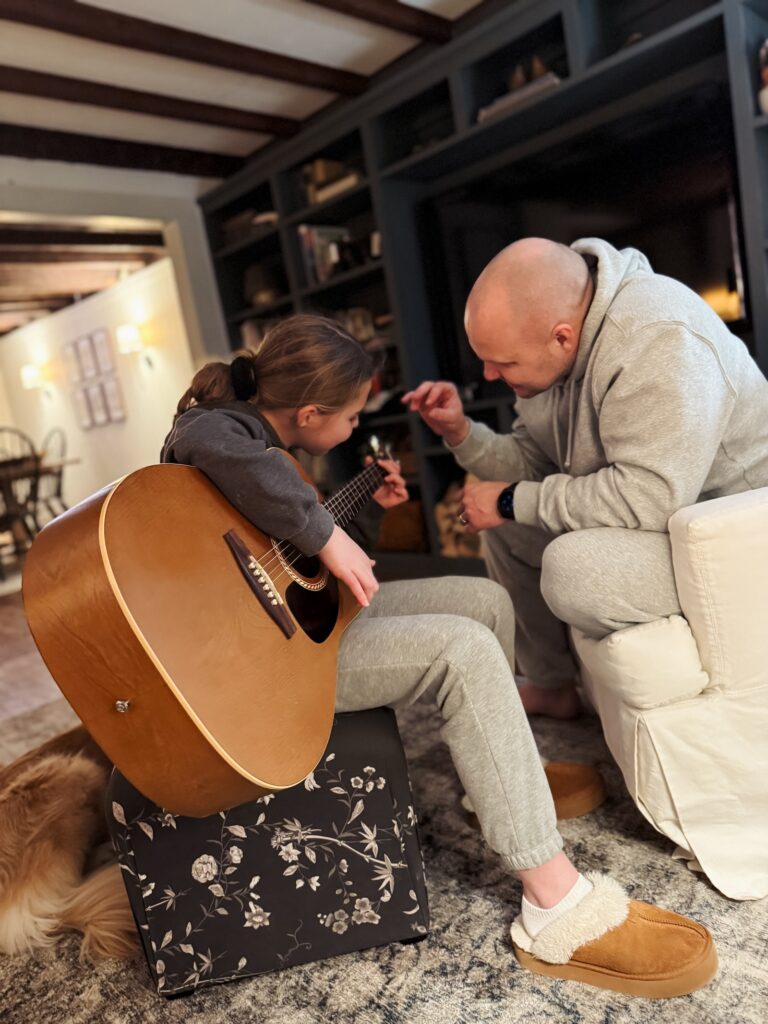
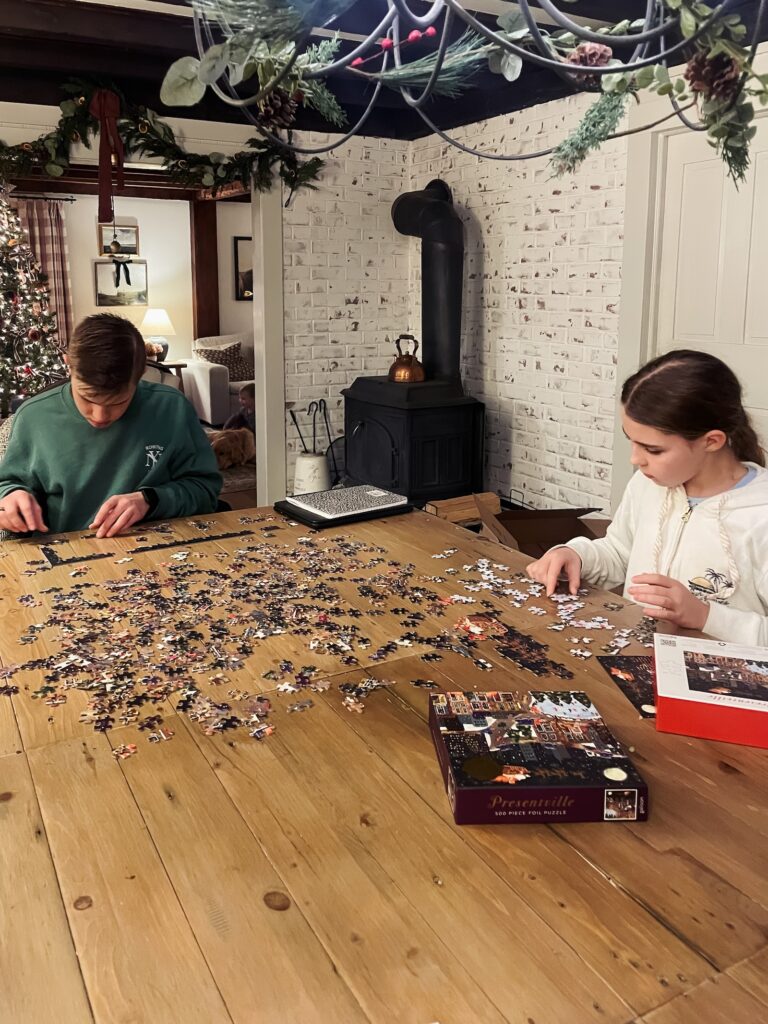
A house becomes a home when it serves people, not the other way around. The most family-centered spaces aren’t the ones with perfect décor, but the ones where puzzles can spread across the table and a well loved couch invites lingering. I always say I don’t like my furniture to feel precious. I want anyone, and especially our family to feel comfortable putting their feet up, and getting cozy in our home. Christensen wrote about aligning resources with priorities—our homes should reflect the same. Do our spaces whisper: family time matters here? Your home should feel like a hug, not a showroom.
(read: How to create character in your home through pattern and texture)

3. Anchor in faith.
The storms of society will come, hard times will come. I’ve learned this through my own heartbreaks–losing a child, job loss, chronic illness, etc. Life is hard! The faith my own parents instilled in me, anchored my soul during the most difficult times in my life. The dark times would have been unbearable without it. What steadies our children (and us) is a strong faith practice—daily prayer, scripture study, Sabbath observance, and most of all, modeling behavior that is consistent with our beliefs. These rituals orient us toward God and quietly assure our children: that they don’t have to weather any storm alone. Our faith in Jesus Christ gives us so much hope no matter what life throws at us. He makes the good times sweeter and gives us strength to bear our burdens with peace. Give your children the gift of faith.

4. Work and play together.
Families grow closer when they sweat side by side—whether it’s raking leaves, scrubbing the kitchen, or painting a room. My children have forged the deepest friendships in conversations while working together. And, they also need play: hikes, board games, kitchen dance parties, puzzles. Shared labor builds competence and camaraderie; shared play builds friendship and joy. Both stitch a family together.

(READ: 10 simple tips for keeping your home clean and tidy.)
5. Set shared goals.
Just as teams thrive when united by a mission, families thrive when they pursue common goals. It might be reading scriptures together every morning, saving for a trip, or committing to a service project. Shared goals create unity, a sense that “we’re in this together,” and they teach children cooperation better than any lecture could. 3 years ago, we made the decision as a family to paint our house ourselves and put the money we had saved toward a trip to Norway as our reward. We spent months on this project, it was hot, sweaty, hard work, and we were all so happy when it was over, but looking back on that experience feels so special now it’s almost sacred. And we all enjoyed that sweet crisp Norwegian air all the more because we had worked so hard together to earn it.


6. Live by shared values.
Our family has a few simple mantras: we can do hard things, we are all on the same team, God comes first, then family, then everything else, and we disagree with love and respect. These values are like the guardrails on a mountain road—they keep us safe when life’s curves get steep. Repeating them often, and modeling them ourselves (the hardest part), turns lofty ideals into lived reality, and helps my children gain a strong confidence in themselves and a sense of who they are.

None of this is glamorous. Much of it requires repetition, patience, and sometimes sheer stubbornness. But slowly, almost invisibly, these practices create a culture—a way of being together—that can withstand just about anything. If you haven’t taken the time to set an intention around your family culture, I highly recommend doing so. And here’s something to consider: you are already creating a family culture whether you mean to or not so, you might as well be intentional with it. Begin with the end in mind. What platform do you want to give your kids for launching into the world? What memories and rhythms do you want to look back on? If you need a little help getting started, click here to get a worksheet that can help you create your own family culture.
So while the news may leave me unsettled, I return to that childhood hymn and remember, “home can be a heaven on earth.” It’s not a naïve hope. It’s the most practical, radical, and joyful work we can do.